daily music notes / sourced

column

出典確認済みの事実を掲載
DUENDE
2 min

Flamenco as a shared practice

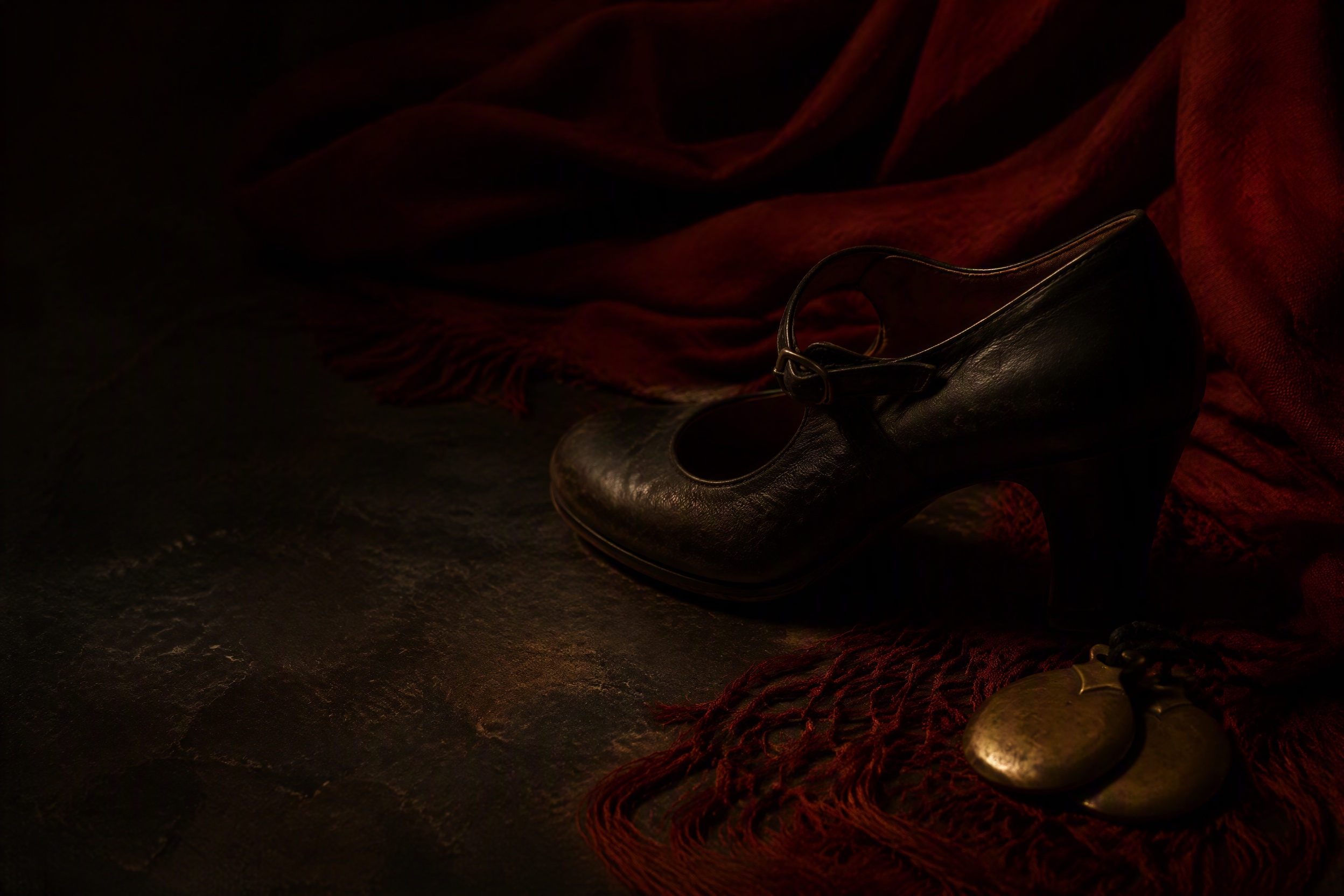
The flamenco associated with duende is documented as a shared practice where song, dance, and guitar meet in one space.

UNESCO describes flamenco as an artistic expression that fuses cante (song), baile (dance), and toque (musicianship). Castanets, hand-clapping, and foot-stamping may also be used, and the form has been performed at religious festivals, rituals, church ceremonies, and private celebrations. Its transmission is recorded through families, social groups, and flamenco clubs.

The official tourism site of Andalusia presents flamenco as one of the region’s hallmarks and notes its inscription on UNESCO’s Intangible Cultural Heritage list in 2010. It names forms and settings including fandango, bulería, rumba, taranto, Christmas zambombas, clubs, and festivals. Seen as a relation between sound, body, and place rather than a single formula, the practice leaves room for the range of expression associated with duende.

SKA
2 min

Ska meets punk in Coventry: a record of 2 Tone

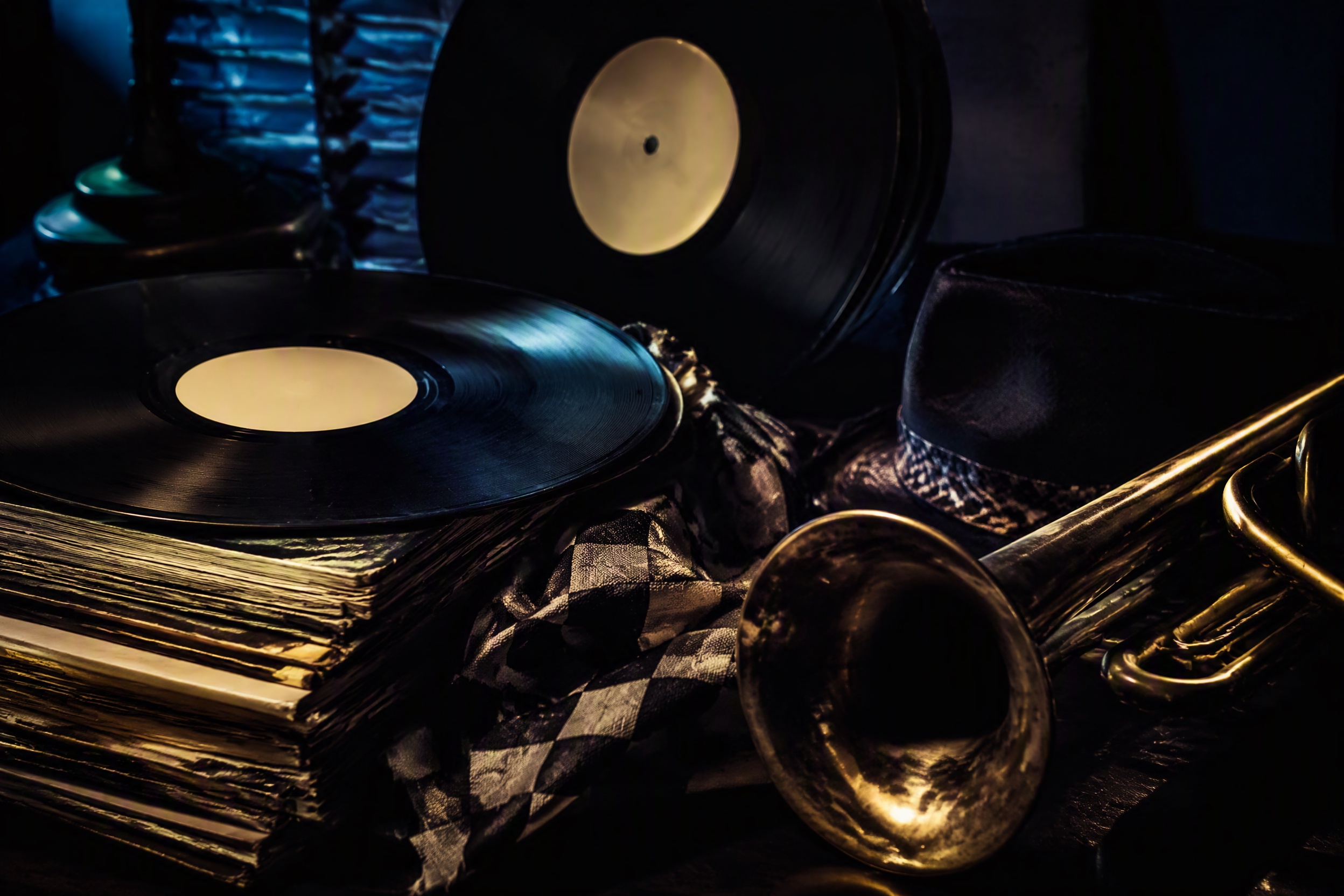
2 Tone grew out of Coventry’s music scene in the 1970s. Its name comes from a record label founded in 1979.

Herbert Art Gallery & Museum and the BBC locate 2 Tone’s beginnings in Coventry in the 1970s and identify Jerry Dammers of The Specials as the founder of 2 Tone Records in 1979. The BBC describes the music as a meeting of Jamaican reggae and ska with British punk.

Herbert’s “2 Tone: Lives & Legacies” exhibition was organised with Coventry Music Museum. It explored the label’s formation, design, and bands including The Specials and The Selecter. The exhibition page now directs readers to an online presentation with a 3D exhibition record, artist interviews, and object highlights. Alongside recordings, records and visual materials offer ways to examine this musical history.

SHAMISEN
2 min

Between string, skin, and bachi: how the shamisen speaks

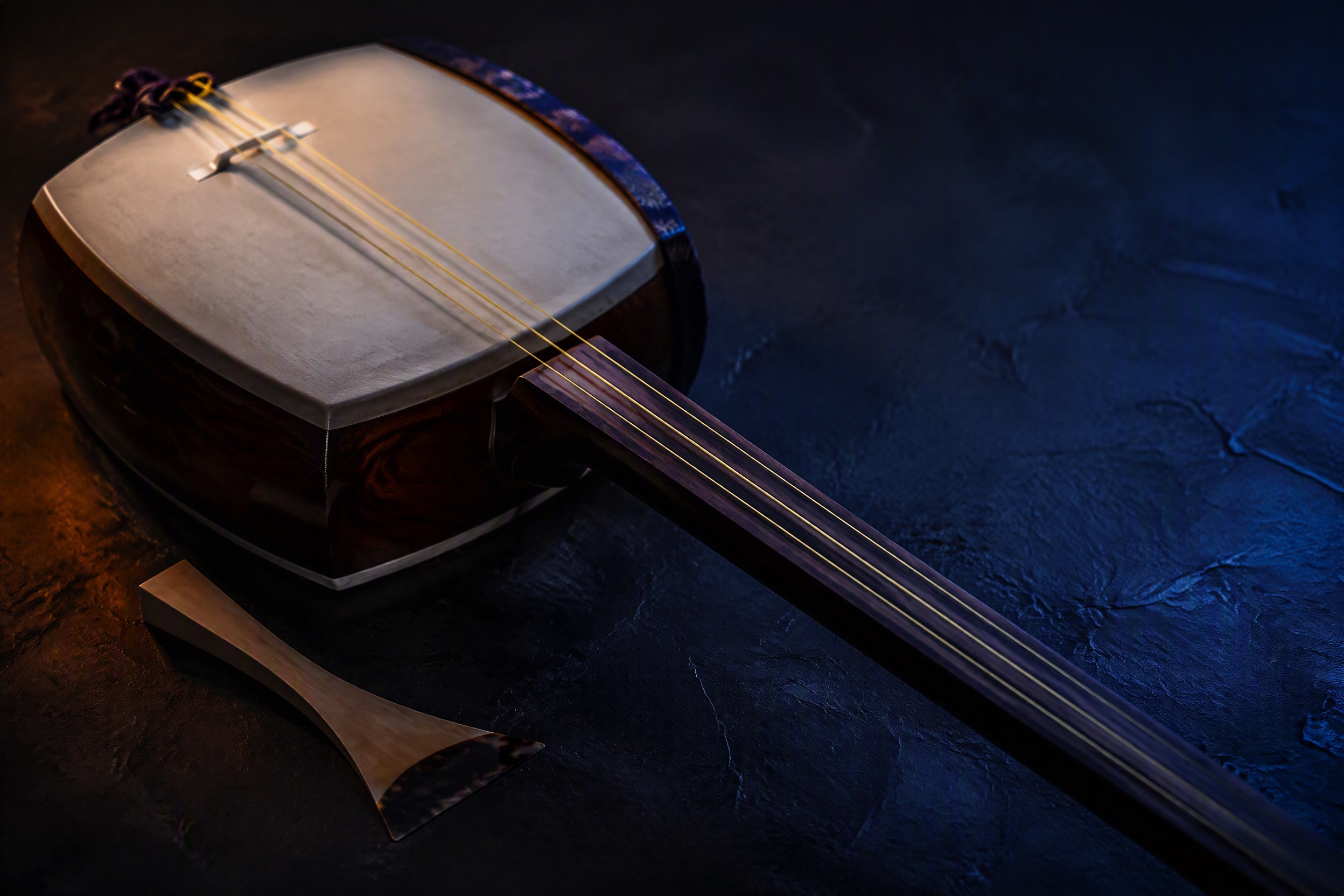
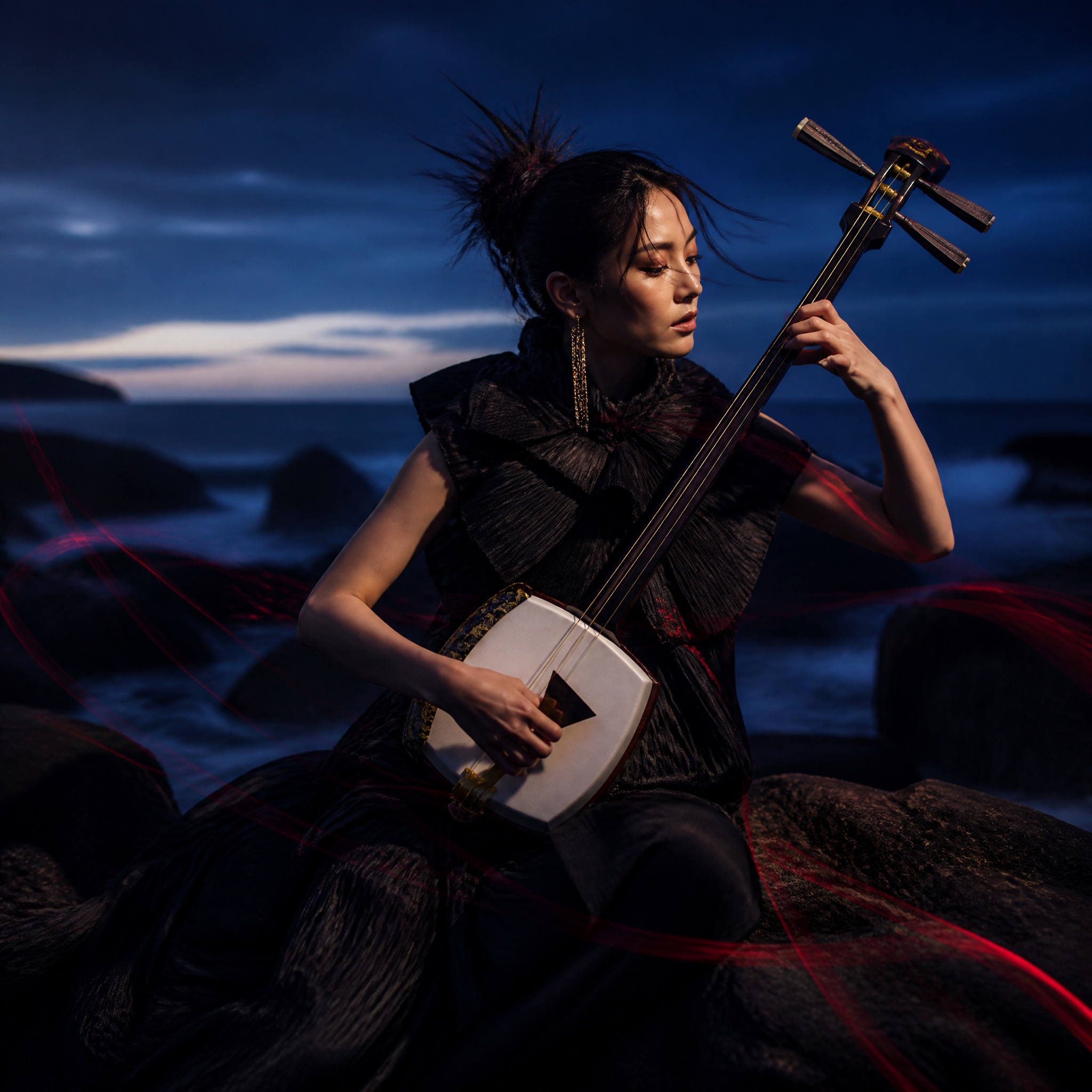
A shamisen’s sound is shaped not only by three strings, but also by its skin-covered body and the contact of the bachi.

The Grinnell College Musical Instrument Collection describes the shamisen as a Japanese plucked instrument with three strings, a skin-covered resonator, and a long fretless neck. The bachi does more than pluck: it can strike the string and soundboard together, giving the attack a percussive edge.

The same collection notes the buzzing “sawari” produced where the lowest string meets a shallow groove near the nut. Kyoto Women’s University’s online exhibition places the instrument’s predecessor in the Chinese sanxian, brought through the Ryukyu Islands and developed in Japan around the sixteenth century. Seen together, structure and history show why the shamisen’s sound cannot be reduced to one element.

CELLO
2 min

A point of support on the floor: how the endpin changed cello posture

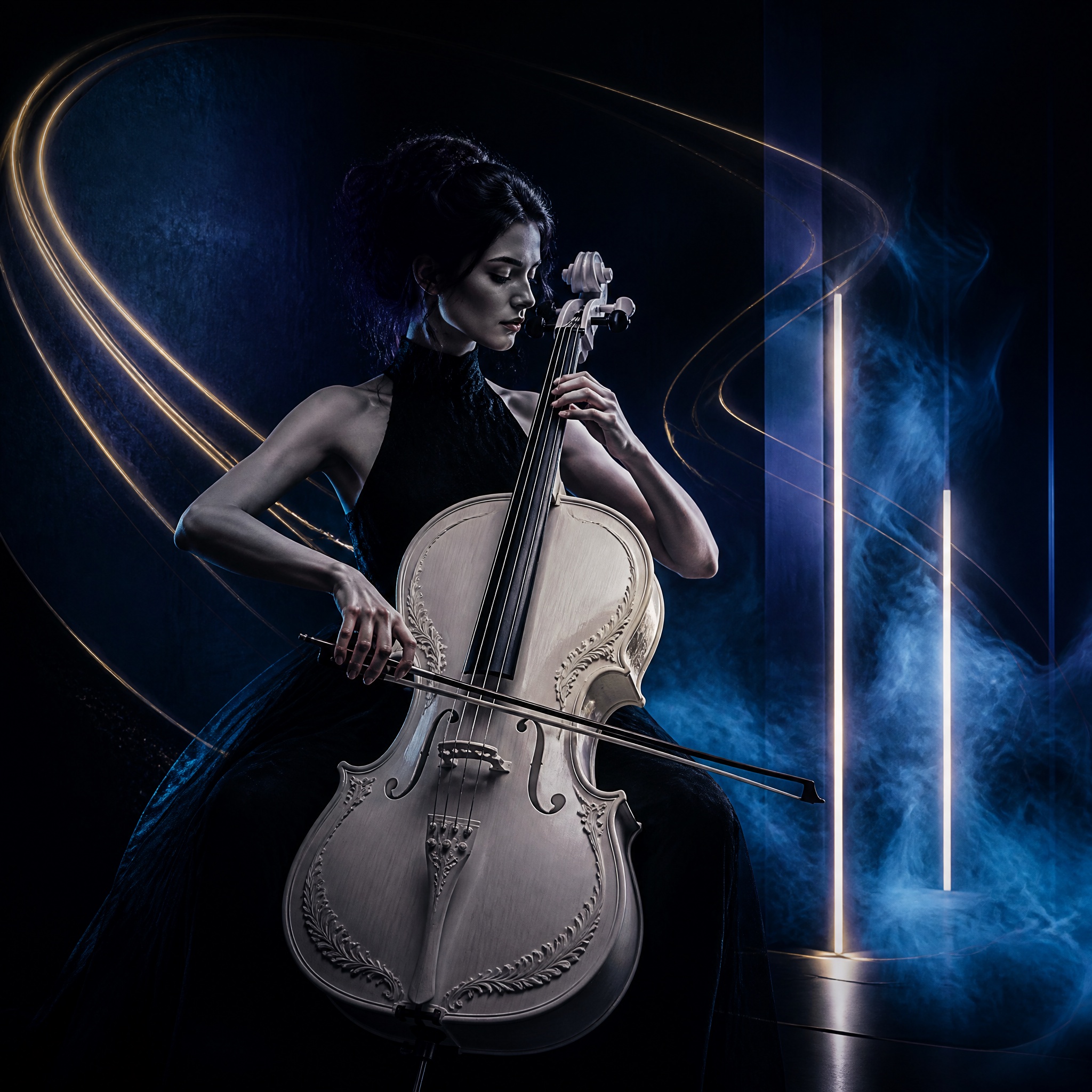
Adjustable endpins are standard on modern cellos, but the way the instrument is supported has changed over time.

The Grinnell College Musical Instrument Collection describes Baroque practice without a floor peg: players supported the body with their legs or rested the bottom of the instrument on the floor. The same source places the standardization of adjustable endpins in the late nineteenth century.

A doctoral study at the University of Nebraska–Lincoln notes lifting devices in several periods of cello history, while describing leg-supported playing that kept the instrument off the floor as widely adopted by the mid-eighteenth century. The spread of the endpin can therefore be read as a gradual history of posture, bodily tension, technique, and resonance.

CELLO
2 min

C–G–D–A: the four strings that shape the cello

The cello is the low voice of the violin family, with four strings tuned in perfect fifths.

The standard tuning, from low to high, is C, G, D, A. It keeps the same perfect-fifth relationship as the violin and viola while extending into a lower register.

The cello developed into its modern form during the sixteenth century. It first served mainly as a bass foundation in ensembles, then expanded into solo, chamber, and orchestral settings.

SHAMISEN
2 min

More than strings: the percussive edge of the bachi

The shamisen has three strings, and striking its body with the bachi adds a distinctly percussive voice.

The body amplifies the strings, while contact between the bachi and the skin-covered soundbox adds a sharp attack and a rhythmic outline.

The shamisen traces a lineage to the Chinese sanxian and has appeared in narrative performance, bunraku, kabuki, and ensembles with koto. Its sound is not fixed to a single setting or color.

SKA
2 min

An urban dance music that began in late-1950s Jamaica

Ska emerged in late-1950s Jamaica as one of the island’s early urban popular musics.

North American rhythm and blues met Jamaican musical culture, helping establish offbeat guitar and piano patterns alongside forward-moving horn arrangements.

Its tempos and expressive language later shifted toward rocksteady and reggae. Ska itself also traveled to the United Kingdom, the United States, and beyond, where it has been reinterpreted in different periods.

DUENDE
2 min

Duende is not a genre, but a word for a moment of expression

In artistic expression, the idea of duende became widely known through Federico García Lorca’s 1933 lecture.

Lorca described duende as a force born from the tension between performer and place, something that cannot be explained by technique or form alone. It is closely associated with flamenco, but it does not name a single technique or rhythm.

When discussing music, treating duende as a concept for thinking about urgency and expressive intensity is closer to the original context than treating it as a fixed genre.

EBM
2 min

Electronic Body Music at the meeting point of body and machine

EBM sits where the hard surfaces of industrial and synth-punk meet the repetition of dance music.

Belgian group Front 242 is frequently referenced in accounts of EBM’s formation in the 1980s. Regular sequences, clipped vocal fragments, and forceful beats create bodily motion alongside a machine-like texture.

EBM’s boundaries are not uniform. Its overlap with industrial, techno, and new wave changes across time and place, so a single definition should not be used to exclude neighboring works.

HOUSE
2 min

A music of repetition and community, grown in Chicago

House developed in early-1980s Chicago and spread as a form of electronic dance music.

DJs connected and edited records from disco, soul, and related traditions, while combining them with drum machines and synthesizers. These practices helped shape the form.

The City of Chicago’s cultural programming presents house as an art form born locally and heard around the world. Its history includes not only production techniques, but also the people who gathered in clubs and on dance floors.